
Blog

Multi-Camera Live Switching for Corporate Events: Turning Coverage Into a Clear Story
Multi-Camera Live Switching for Corporate Events is more than toggling cameras—it’s a production discipline that turns disparate angles into a coherent narrative. For corporate audiences, clarity means choosing shots that support messaging, align with presenter dynamics, and respect time constraints. This article covers the technical and human workflow required to shape coverage into a clear story: pre-event zone planning, director and operator coordination, signal routing and redundancy, live visual storytelling techniques, and post-event asset delivery. It’s aimed at in-house event teams, production partners, and technical leads who need practical steps to plan, execute, and hand off multi-camera recordings that match corporate standards and stakeholder expectations.

Silicon Valley Corporate Event Audio Visual Rental: How to Scope the Right System
Scoping the right system for a Silicon Valley Corporate Event Audio Visual Rental requires more than checking equipment lists. Production planners need a clear process: start with a technical site survey, map signal paths and network capacity, and define user scenarios for presentations, remote contributors, and staged panels. Prioritize durability and redundancy where shows are complex or back-to-back. Coordinate early with staging, lighting, and venue operations so power, rigging points, and load-in windows are confirmed. Build staffing plans that match device counts and workflow—AV engineers, operators, and a stage manager—and schedule at least one technical rehearsal. This approach limits surprises and keeps client-facing execution predictable.

Corporate AV Services in the San Francisco Bay Area: A Practical Buyer’s Guide
As you plan corporate meetings, product launches, or internal town halls in the Bay Area, choosing reliable technical partners matters. This practical buyer’s guide focuses on Corporate AV Services San Francisco Bay Area—how to evaluate technical depth, infrastructure readiness, and on-site delivery workflows for corporate/B2B event production. It emphasizes what to verify beyond quotes: detailed site surveys, network and power capacity, equipment lists and interoperability, staged rehearsals with engineering leads, and contingency systems. Use this guide to ask sharper questions of vendors, translate event objectives into technical specifications, and structure procurement so that engineering and production teams can execute without last-minute compromises.
Why On-Site Corporate Event Technical Directors Matter When the Program Is Live
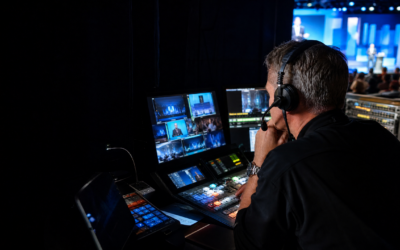
On-Site Corporate Event Technical Directors serve as the real-time nerve center for live corporate programs, translating rehearsed plans into flawless execution when the room fills and the agenda begins. Their role goes beyond equipment knowledge: they orchestrate live signal routing, instant troubleshooting, talent and client direction, and technical risk mitigation while balancing executive expectations. For internal communications and marketing teams delivering keynote sessions, panels, or multi-stage corporate showcases, an on-site technical director keeps audience experience, broadcast feeds, and venue systems integrated under pressure. This article outlines where their authority makes measurable differences during live moments, how they coordinate with producers and AV crews, and what planning choices ensure they can act fast and decisively.
Full-Service Corporate Conference Production: From First Brief to Final Cue
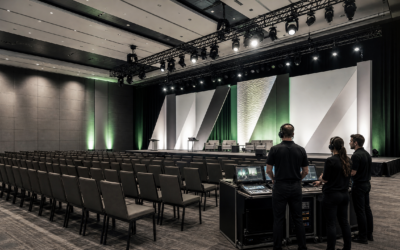
Full-Service Corporate Conference Production demands a structured, end-to-end approach that transforms a first brief into flawless live execution. For corporate teams, production covers strategic briefing, creative design, technical systems engineering, vendor and stakeholder coordination, onsite staffing, rehearsals, and live cue management. This article maps the production workflow used by experienced corporate producers so internal event leaders can coordinate planning and delivery with clearer gates, technical specs, and contingency triggers. It focuses on production-specific processes—system integration, crew roles, rehearsal protocols, communications, and asset handover—rather than venue contracts or generic run sheets. Use it to set expectations, align technical teams, and reduce friction between creative intent and live execution.
Hybrid Event Production Solutions: Building One Program for Two Audiences
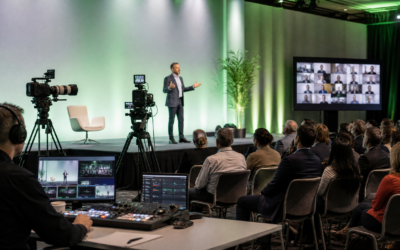
Hybrid Event Production Solutions mean designing one coherent program that serves both a live room and remote participants without duplicating content streams. For corporate event teams this requires treating the program as a single editorial flow while architecting parallel delivery: live staging, camera direction, broadcast-quality encoding, and a remote-first content layer that adapts timing, pacing, and interaction. Production planning must align narrative beats, speaker cues, and technical handoffs so both audiences feel considered. Equally important are moderation workflows, redundancy and accessible captioning. This approach reduces cognitive load for presenters and centralizes production control, letting marketing and internal-communications teams focus on audience journeys, sponsor visibility, and measurable engagement across both channels.
What to Look for in a Corporate Annual Meeting Production Company
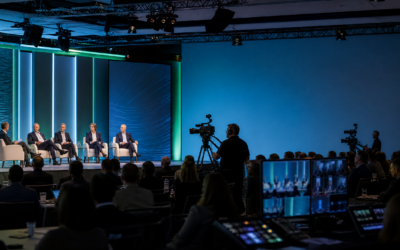
As you plan your next annual meeting, selecting a Corporate Annual Meeting Production Company changes how stakeholders receive key messages, vote, and engage. Beyond lights and mics, a specialist production partner aligns event objectives with corporate governance, investor communications, and brand standards. They coordinate technical workflows for live presentations, pre-recorded segments, secure webcasting, and shareholder Q&A while managing rehearsals and compliance-sensitive timing. Choosing the right producer reduces friction between legal, IR, and executive teams, and ensures consistent delivery across in-person and streamed elements. This article outlines the specific capabilities, workflows, and vendor management practices to evaluate when hiring a production company for a corporate annual meeting.
Bay Area Live Corporate Event Production Services: What Full Support Looks Like
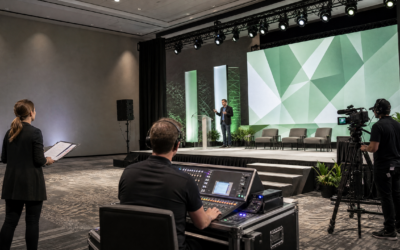
Full support for a corporate live event in the Bay Area starts with technical strategy and covers production design, engineering, local logistics, and onsite crew orchestration. Live corporate event production services in the Bay Area pair creative direction with systems-level planning: site surveys, signal and power schematics, redundancy plans, and content playback architecture. For internal communications, product launches, and executive forums, this full-support model coordinates vendor suppliers, local permitting, and venue-specific build requirements while establishing a single technical command structure. The approach reduces fragmentation between creative intent and engineering execution so teams can focus on messaging and attendee experience while production handles the technical complexity.

Custom Branded Event Portals: Designing a Better Corporate Attendee Experience
Custom Branded Event Portals are central tools for corporate event teams who need a consistent, secure attendee experience across conferences, leadership meetings, and training programs. A well-designed portal consolidates registration, single-sign-on access, segmented content libraries, and role-based schedules so internal comms, marketing, and production can coordinate. For production planners, the portal becomes the operational hub: speaker assets, pre-event technical checks, content handoffs, and live-stream endpoints are managed there. This reduces friction during delivery and improves attendee navigation without adding platform sprawl. This article focuses on practical design decisions, technical coordination, and production workflows that event teams should apply when specifying, building, and operating these tools for B2B events.
Corporate Event Production Blog is part of how ICVDM helps organizations plan clearer meetings, stronger video communications, and more reliable production experiences.
Corporate Event Production Blog Support From ICVDM
For teams evaluating corporate event production blog, the practical priorities are clear objectives, audience-ready content, dependable technical planning, and a production partner that can protect the live experience from preparation through follow-up.
Teams can also review ICVDM live streaming and webcasting services to align production requirements with audience, content, and delivery goals.
For broader event-planning perspective, teams can compare their planning approach with PCMA event industry resources while finalizing meeting strategy and production decisions.
How should teams approach corporate event production blog?
Teams should define the audience, confirm the desired action after the meeting, prepare speakers and content early, and coordinate technical production details so corporate event production blog supports the larger communication goal.