
Blog
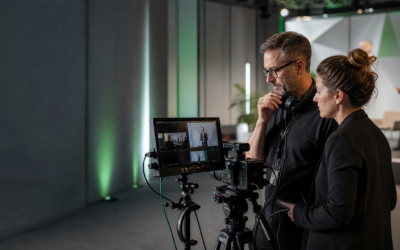
How to Choose a B2B Live Webcasting Company for Corporate Programs
When corporate communications and event teams need to stream executive briefings, product launches, or town halls, selecting the right B2B Live Webcasting Company changes how the program runs and how audiences engage. The decision should be grounded in production workflow, technical coordination, content security, and the vendor’s experience with enterprise integrations. This guide highlights the practical evaluation areas: studio and field production capabilities, encoding and CDN options, platform interoperability with single sign-on and registration systems, monitoring and redundancy plans, and post-event asset delivery and analytics. Focus on vendor processes and technical safeguards to align delivery with corporate policies and audience expectations across global locations.

Choosing a Virtual Corporate Event Platform for a High-Stakes Program
Selecting a Virtual Corporate Event Platform for a high-stakes program is a production decision that affects brand risk, legal exposure, and the attendee experience. Organizers must evaluate platform architecture, content delivery paths, and backstage production controls long before keynote rehearsals. This guide frames the vendor selection process around enterprise-grade technical requirements, security and compliance, production workflow integration, and measurable engagement strategies. It is written for internal communications teams, corporate event planners, and marketing production leads who must align IT, legal, and creative stakeholders. Use these criteria to short-list vendors, plan technical runbooks, and design a delivery strategy that minimizes single points of failure and supports polished, controlled live experiences.
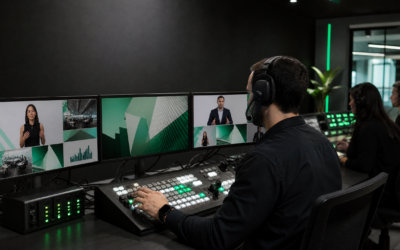
Live Streaming Solutions for Enterprise: What Corporate Teams Should Plan
Live Streaming Solutions for Enterprise require planning across technical, security, operational, and stakeholder domains to succeed at scale. Corporate teams must define audience profiles and delivery expectations, then translate those into bandwidth, encoding, CDN, and platform requirements. Early decisions about security, access control, and compliance drive platform choice and latency trade-offs. Production workflows—roles for producers, directors, engineers, and comms—need defined handoffs and testing windows. Budget lines should cover redundancy, monitoring, and recorded capture for repurposing. This article focuses on practical planning and coordination steps for internal comms, marketing, and event-production teams that manage large-scale corporate streams across multiple sites and distributed audiences.
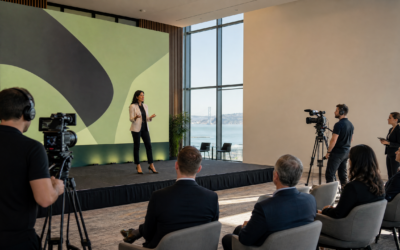
Bay Area Corporate Town Hall Webcasting Services: A Planning Guide
Planning an internal town hall for a Bay Area company requires a webcasting plan that balances secure distribution, live production quality, and clear stakeholder coordination. This guide focuses on Corporate Townhall Webcasting Services (Bay Area) for corporate and internal-communications teams, and covers decisions that shape technical architecture, crew roles, audience interaction, and deliverables. It lays out practical steps for vendor selection, bandwidth and redundancy planning, live-moderation workflow, and post-event recording and distribution. Use it to align procurement, IT, communications, and the production team around a replicable, compliant webcast process tailored to typical Silicon Valley corporate environments.

Pre-Production Timeline for Corporate Events: What to Lock Down First
A dependable event timeline gives the client team, venue, speakers, content owners, and production crew enough time to make good decisions. The key is identifying which choices create downstream dependencies and resolving those early. Bring your event scope and open...
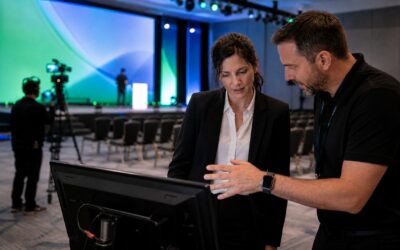
How to Prepare Speakers for a Broadcast-Quality Corporate Event
Strong presenters are essential to a successful event, but even experienced executives benefit from production preparation. A structured speaker process helps leaders focus on the message while the team manages timing, technology, camera presence, and transitions....
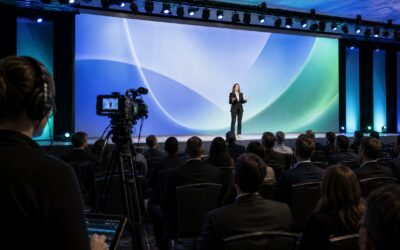
How to Keep a Product Launch on Message Across Stage, Stream, and Follow-Up
A product launch is one message expressed across many touchpoints: the stage, the livestream, presentation content, product demonstrations, sales follow-up, and post-event recording. Production planning helps make those pieces feel like one coordinated experience...
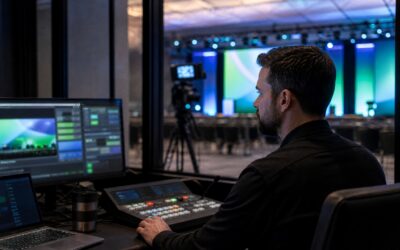
Secure Event Streaming: What Corporate Teams Should Plan Before Going Live
Corporate streaming often includes leadership messages, product information, employee discussion, or customer content that should reach a defined audience. A secure streaming plan combines access controls, production readiness, and clear communications so the event...

Corporate Livestream Audio: Why Remote Attendees Need a Dedicated Mix
People will often tolerate an imperfect camera angle longer than they will tolerate unclear audio. For a streamed corporate event, audio is not a technical detail; it is the foundation of comprehension, accessibility, and perceived production quality. Bring your event...
Corporate Event Production Blog is part of how ICVDM helps organizations plan clearer meetings, stronger video communications, and more reliable production experiences.
Corporate Event Production Blog Support From ICVDM
For teams evaluating corporate event production blog, the practical priorities are clear objectives, audience-ready content, dependable technical planning, and a production partner that can protect the live experience from preparation through follow-up.
Teams can also review ICVDM live streaming and webcasting services to align production requirements with audience, content, and delivery goals.
For broader event-planning perspective, teams can compare their planning approach with PCMA event industry resources while finalizing meeting strategy and production decisions.
How should teams approach corporate event production blog?
Teams should define the audience, confirm the desired action after the meeting, prepare speakers and content early, and coordinate technical production details so corporate event production blog supports the larger communication goal.