
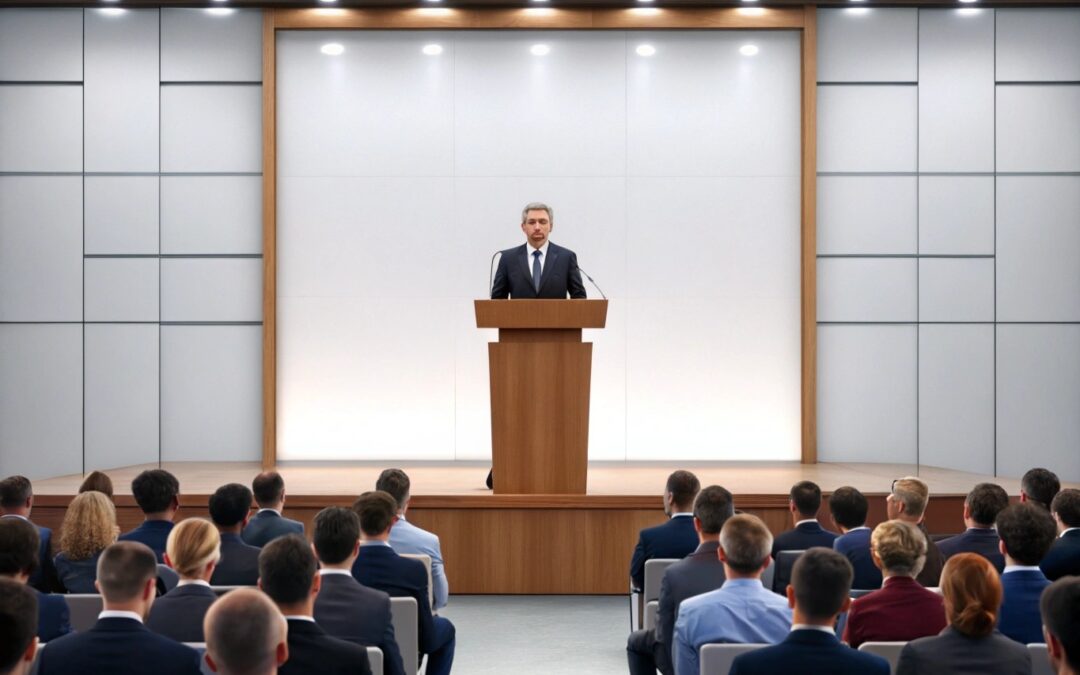
Real Strategies to Skyrocket Audience Engagement at Your Corporate Town Hall
You need people to pay attention, ask questions, and act on the decisions you announce — but too often a town hall becomes a one-way briefing that employees skip. This article focuses on practical, production-forward steps to improve corporate town hall engagement so the meeting drives alignment for in-room, remote, and on-demand audiences.
Corporate town hall engagement matters because it ties executive messaging to observable behavior: attendance, questions, follow-up actions, and the stories communications hands to leaders afterward.
Ready to Elevate Your Corporate Video Production?
ICV Digital Media delivers professional video production, live streaming, and event coverage for Fortune 500 companies and regional teams nationwide. Book a free 30-minute strategy call.
Book a Free Strategy Call →What event teams should prioritize for better corporate town hall engagement
Start by trimming friction in three phases: before the event (objectives, run of show, rehearsal), during the event (audio, camera blocking, virtual moderation), and after the event (recording handoff, captions, and measurable follow-up). Each phase has concrete production tasks that directly affect whether people stay, participate, and act.
Upgrade your corporate town hall production quality
Production choices send a message. A single static camera and a distant handheld mic tell attendees there was minimal prep. Instead, plan for at least two cameras (speaker close-up plus audience or wide), lavalier mics for executives, and a backup shotgun for audience Q&A. Make sure your audio chain splits cleanly so the room mix, broadcast mix, and recording each have isolated feeds.
- Run a full tech rehearsal with camera blocking and run of show at least 24–48 hours before the event.
- Confirm executive approval on slides, teleprompter text, and the cue card sequence during speaker prep.
- Create explicit backup paths: redundant encoders, alternate network, and an on-site recording handoff plan if the live stream fails.
Use live polling and Q&A to make the town hall interactive
Polling and structured Q&A make the meeting two-way. Don’t drop polls ad hoc — put them into the run of show and rehearse the timing with presenters and the virtual moderator so results can be shared on-screen and referenced immediately.
- Schedule 2–3 short polls rather than one long survey; quick results on-screen re-engage both room and remote viewers.
- Assign one producer to moderate chat and one to surface remote questions to the on-stage moderator so remote attendee experience is intentional, not accidental.
Optimize the experience for hybrid audiences
Design for remote viewers from the start: frame speakers to include a graphic or caption area, use captions for accessibility, and route audience mics to the stream so remote participants hear on-site questions clearly. A dedicated virtual moderator should repeat audience context for remote attendees and call on named participants during Q&A.
Measure and iterate on town hall effectiveness
Define a short measurement plan that aligns with your objectives. Track attendance rate, average watch time, poll response rate, question volume, and immediate post-event survey scores. Use those metrics to adjust run time, number of presenters, and the frequency of interactive elements. Make a habit of delivering a short recording handoff and highlights package to communications within 24–72 hours so leaders can amplify key points.
ICV production note
ICV Digital Media treats each town hall like a broadcast: we run a dry tech rehearsal with full camera blocking, confirm speaker prep and executive approval, map sponsor deliverables into the run of show, and test captions and recording handoff before doors open. We also build simple fallback streams and redundant audio paths so a single point of failure doesn’t silence the message.
Frequently asked questions about corporate town hall engagement
How do you prepare executives for a live town hall?
Do a speaker run-through that mirrors the live environment: cue lights, teleprompter or notes, camera positions, and timing for polls. Give each executive a one-page run of show with their cues, Q&A windows, and a defined handoff to the moderator. Confirm executive approval on slides and any pre-recorded video during a final check 24 hours before the event.
How do you make remote attendees feel included?
Assign a virtual moderator, surface and read remote questions aloud, and include remote-first visuals (clean lower-thirds, readable slides, captions). Offer a dedicated feedback channel and show poll results live so virtual viewers see their input reflected in the conversation.
What production checkpoints should every town hall checklist include?
Essential checkpoints: completed run of show, full tech rehearsal with speakers, redundant network and encoder setup, confirmed audio splits, captions enabled, camera blocking documented, sponsor deliverables checked, and a recording handoff plan to comms or HR.
Next step
If you want help turning these tactics into a run-ready plan, we can build the rehearsal schedule, produce the live show, and deliver captions and edited recordings. Contact Us Today to map production tasks to your project timeline.
[/et_pb_code][/et_pb_column][/et_pb_row][/et_pb_section]Related ICVDM production resources
If this topic is part of an upcoming executive event, sales kickoff, town hall, or webcast, these ICVDM resources can help you plan the next step:
How ICVDM helps
ICVDM helps organizations plan and produce corporate town hall engagement projects with the strategy, technical production, livestream support, editing, and follow-up content needed to make the message clear and useful after the live moment ends.
Talk Through Your Production Plan
Prefer to talk through your event directly? Book a 30-minute ICVDM production consultation to discuss the production needs, risks, and next steps for your corporate event.