
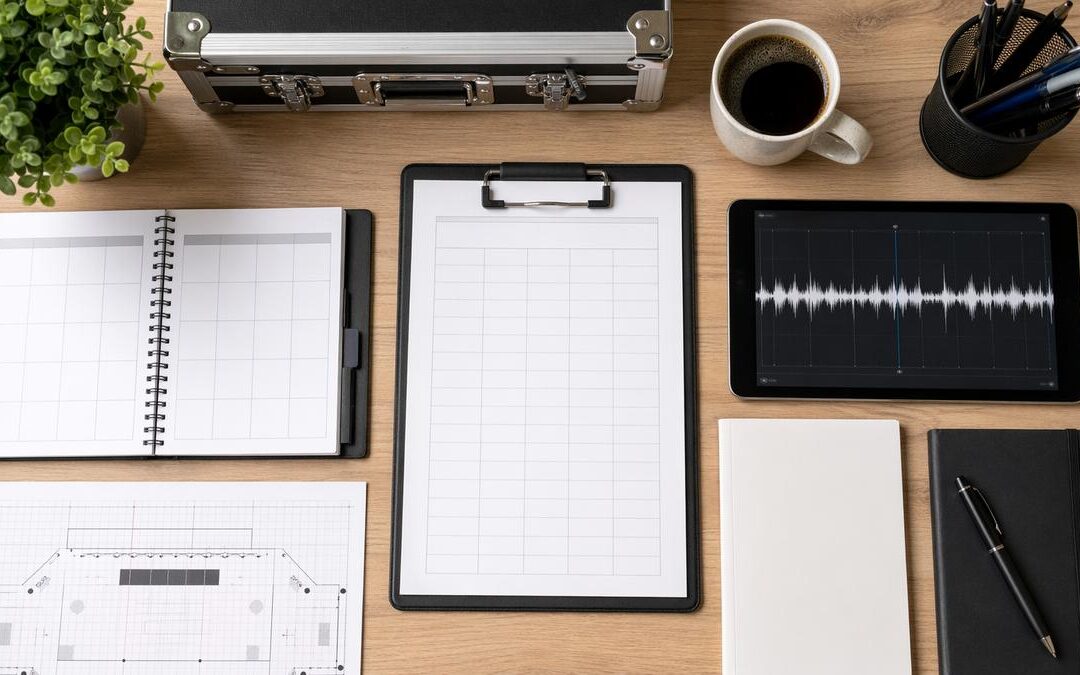
The immediate problem event planners face is simple: how do you source keynote speakers who actually deliver the specific message your leaders need, while fitting the production realities of in-room and remote audiences? Budget, run of show constraints, sponsor deliverables, and the need for a clean recording all matter just as much as the speaker’s narrative.
Ready to Elevate Your Corporate Video Production?
ICV Digital Media delivers professional video production, live streaming, and event coverage for Fortune 500 companies and regional teams nationwide. Book a free 30-minute strategy call.
Why start with the outcome when you source keynote speakers
Before you look at reels or celebrity lists, define what success looks like. Do you want audience members to adopt a new process, sign up for a product demo, or leave feeling reconnected to company values? The desired action determines tone, visuals, length, and whether you need a speaker comfortable with tactical detail or inspirational framing.
Practical checks to make when sourcing keynote speakers
- Ask for a full-length, unedited talk so you can evaluate pacing, transitions, and how they recover from glitches — not just the highlights reel.
- Confirm customization: will they interview stakeholders, use company examples, and weave in current initiatives? If they won’t, plan on additional speaker prep time or look elsewhere.
- Test virtual fluency: confirm they can engage a camera and a room at once, and that they can follow camera blocking and teleprompter cues if needed.
- Clarify deliverables: what recordings, edited clips, and caption files will you receive? Who owns the recording handoff and post-event edits?
- Run a technical checklist: rehearsal dates, run of show, audio checks, lighting/camera blocking, backup paths for streaming, and captioning plans.
Look beyond personality — verify the production fit
A speaker who works a stage brilliantly may still struggle on camera. Ask for clips that show them in hybrid settings or recorded interviews. Confirm they can hit cue points in a run of show, follow camera blocking, and respond to a live Q&A moderated by your emcee.
Spotlight on customization and stakeholder alignment
Customization is the difference between a memorable keynote and a forgettable one. Expect a process: stakeholder interviews, at least one detailed speaker prep call, review of slides and any company-specific language, and executive approval on final messaging. If a speaker resists this, anticipate more time in rehearsals to align content and expectations.
Production checklist every planner should require
- At least one full technical rehearsal with camera blocking, presenter audio checks, and run-of-show timing.
- Backup paths for streaming and local recording, plus a verified recording handoff plan and captioning workflow.
- Speaker prep notes that include mic technique, slide timing, and on-camera best practices.
- Delivery specs for sponsor assets and any post-event clip requests so editing can start immediately after the recording handoff.
- Clear Q&A format and moderation plan, with a contingency for extended audience interaction.
ICV production note
From the ICV production desk: schedule a dedicated rehearsal that mirrors the live run of show — not a quick mic check. Use that rehearsal to test camera framing, slide sync, remote attendee latency, and captions. Assign one producer to manage the recording handoff and a separate engineer for live audio so you have parallel backup paths. If executives will join for a segment, build in 15 minutes for executive approval during the final prep so you avoid last-minute script edits on the show day.
How to evaluate a speaker’s hybrid performance
Request a clip where the speaker addresses both a live room and remote viewers, or run a short camera-blocking rehearsal. Look for eye-line awareness, timing that accounts for remote lag, and a delivery that translates into a recorded edit. If the speaker needs coaching, schedule a dedicated camera rehearsal as part of speaker prep.
Frequently asked production questions
How much rehearsal time is reasonable before a keynote?
Plan for at least one full technical rehearsal and one focused speaker run-through. If the keynote includes multi-camera setups, remote participants, or live demos, add a second technical rehearsal. Rehearsal time shortens risk on show day and gives you time to confirm backup paths and recording handoff details.
What should be included in the run of show for a keynote?
Your run of show should call out arrival times, on-deck cues for the speaker, camera blocking and switches, audio levels, slide cue points, timing for Q&A, captioning start/stop, and who is responsible for the recording handoff and post-event clips.
Who verifies sponsor deliverables and recordings?
Assign a single point of contact to own sponsor deliverables and another to own the recording handoff. That separation prevents last-minute conflicts and ensures captions, edits, and sponsor clips are delivered on the promised timeline.
Final checklist before you book
- Outcome defined and approved by leadership.
- Full-length performance reviewed and customization plan agreed.
- Rehearsal and run-of-show dates scheduled with confirmed roles for production staff.
- Backup paths, captioning, recording handoff, and sponsor deliverables documented.
- Executive approval process and Q&A format locked in.
When you treat speaker selection as part messaging and part production, you reduce day-of risk and increase the value of the delivered content. If you want to walk through a production checklist or book a rehearsal slot, Contact Us.
Related ICVDM production resources
If this topic is part of an upcoming executive event, sales kickoff, town hall, or webcast, these ICVDM resources can help you plan the next step:
How ICVDM helps
ICVDM helps organizations plan and produce source keynote speakers projects with the strategy, technical production, livestream support, editing, and follow-up content needed to make the message clear and useful after the live moment ends.
Ready to turn this into a stronger executive video program?
Book a 30-minute strategy call
If you are planning town halls, sales kickoffs, leadership updates, livestreams, or a year-round video content engine, Imageinators can help map the production path, reduce execution risk, and identify the highest-leverage content opportunities.