
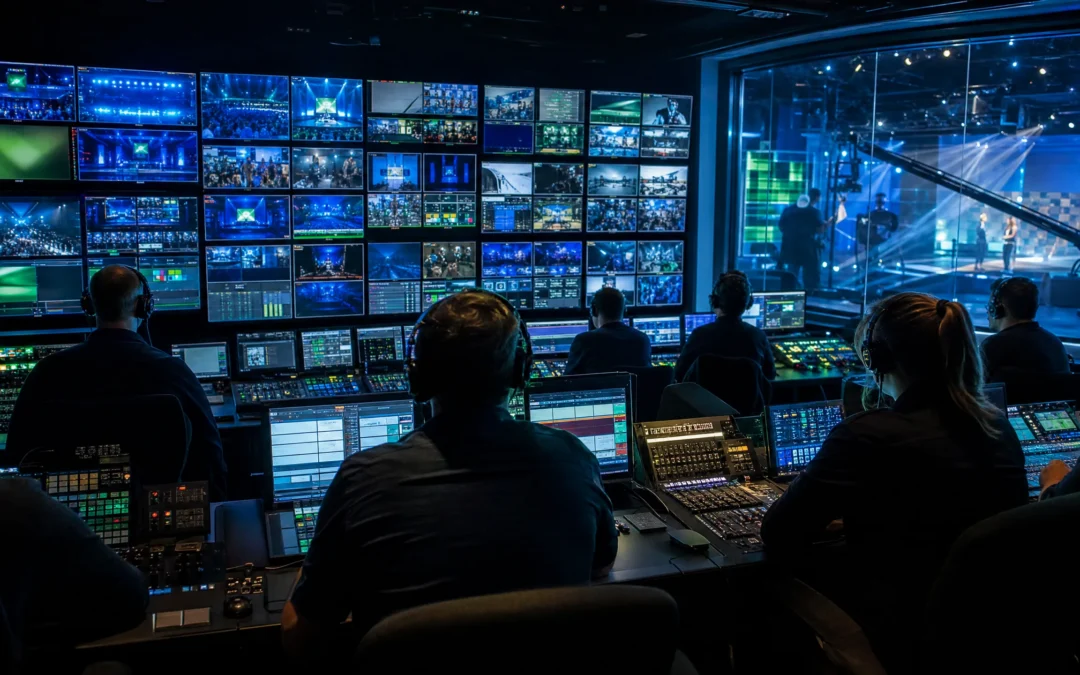
The hardest job in corporate communications today is maintaining the attention of a remote audience during a hybrid event. When an attendee is sitting in a ballroom, social pressure and physical presence keep them focused. When an attendee is watching a live stream from their home office, they are exactly one click away from their inbox, Slack, or a dozen other distractions.
In 2026, successful hybrid event engagement requires treating the virtual audience not as an afterthought, but as the primary viewers of a high-end television broadcast.
Ready to Elevate Your Corporate Video Production?
ICV Digital Media delivers professional video production, live streaming, and event coverage for Fortune 500 companies and regional teams nationwide. Book a free 30-minute strategy call.
The Necessity of the Virtual Moderator
The single most effective strategy for hybrid event engagement is assigning a dedicated virtual moderator. This person serves as the on-camera host and advocate for the remote audience.
Before the main session begins, the virtual moderator welcomes the online viewers, explains how to use the Q&A tools, and sets the tone. During the session, they actively monitor the live chat. Most importantly, during the Q&A segment, the virtual moderator physically stands up in the room and asks questions on behalf of the remote attendees. This visibly proves to the online audience that their voices are being heard in the room.
Broadcast-Quality Multi-Camera Production
A static, wide shot of a stage is a recipe for immediate virtual disengagement. To hold attention on a screen, the visual narrative must constantly change.
Professional corporate event production utilizes multi-camera setups for hybrid events. The technical director cuts between a tight shot of the speaker’s face, a wide shot showing the scale of the room, and audience reaction shots. When the speaker references a slide, the production team uses Picture-in-Picture (PiP) to show both the slide and the speaker simultaneously. This dynamic, television-style directing keeps the remote viewer visually stimulated.
Equitable Q&A and Polling Technology
If you ask the in-room audience to raise their hands for questions, but require the remote audience to type their questions into a clunky web form that the speaker ignores, you have failed at hybrid equity.
Modern hybrid events utilize unified engagement platforms (like Slido or Mentimeter). Every attendee—whether they are in the front row or in another country—submits questions and votes on polls using the exact same mobile interface. The results are displayed live on the massive LED wall in the room and on the live stream simultaneously, creating a shared, synchronous experience.
Designing for the Remote Attention Span
Event planners must design the run of show with the remote attention span in mind. A 90-minute keynote that works in a ballroom will feel agonizingly long on a laptop.
- Shorter Segments: Break long presentations into 20-minute chapters, separated by brief Q&A interludes or video bumpers.
- Virtual-Only Content: During in-room coffee breaks (which are dead air for the live stream), have your virtual moderator conduct exclusive, backstage interviews with the speakers. This rewards the remote audience with premium content they wouldn’t get in the room.
By prioritizing broadcast-quality AV and dedicated remote facilitation, you can transform a passive live stream into a highly engaging hybrid experience.
Ready to Elevate Your Corporate Video Production?
ICV Digital Media delivers professional video production, live streaming, and event coverage for Fortune 500 companies and regional teams nationwide. Book a free 30-minute strategy call.